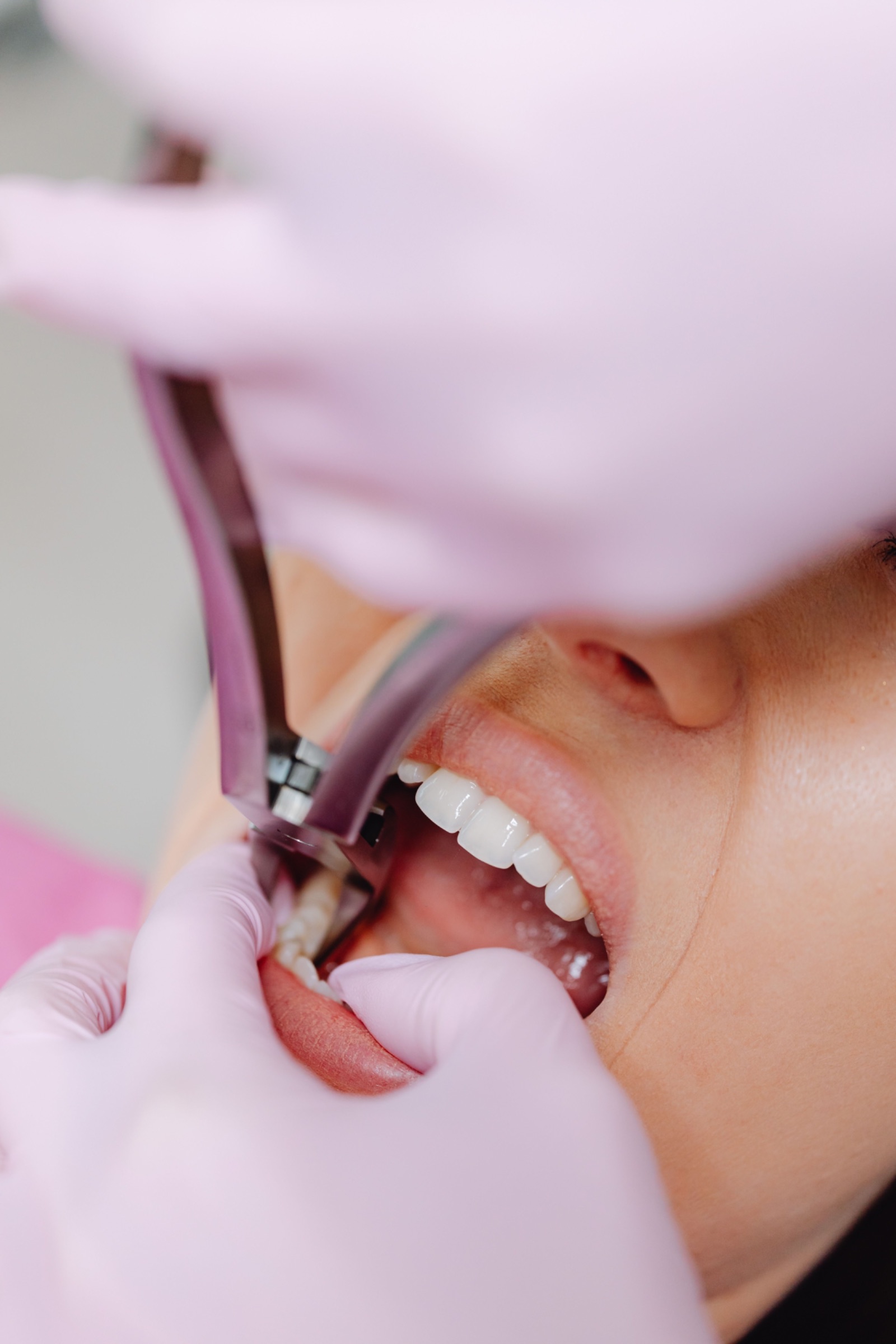
An infected tooth rarely stays a one-tooth problem for long. Here is what happens if it is left, when taking it out is the sensible choice, and how we help keep the cost manageable.
What an infected tooth does if you leave it
Most tooth infections start when decay or a crack reaches the nerve in the centre of the tooth, or when gum disease opens a deep pocket around the root. Bacteria collect at the tip of the root and form an abscess, which is a pocket of pus. The pain can come and go, and sometimes it fades completely because the nerve has died. That does not mean the infection has gone.
Left untreated, the infection can spread into the surrounding jawbone and gums, and in some cases into the soft tissues of the face and neck. Bone lost around the infected root can also weaken the support for the teeth beside it. On top of that, the decay that caused the problem often affects the neighbouring tooth where the two touch, so one neglected tooth can mean a second repair later on.
Most infections are not an emergency on the first day, but they can turn into one. If you have swelling that is spreading, a fever, or any difficulty swallowing or breathing, get help straight away. Call us, ring Healthline on 0800 611 116, or go to your nearest emergency department.
- 1/A throbbing ache, or pain when you bite down
- 2/Swelling in the gum, cheek or jaw
- 3/A bad taste or a small pimple-like bump on the gum
- 4/A tooth that has turned darker than the ones around it
When extraction is the right call
Our first aim is always to keep your own tooth where we reasonably can. Root canal treatment can clear an infection and save a tooth that still has enough healthy structure. Sometimes that is not possible. The tooth may be broken below the gum line, have too little left to rebuild, be loose from advanced gum disease, or be a wisdom tooth that keeps getting infected.
There is a practical side too. Saving a badly damaged tooth can mean a root canal followed by a crown, and that is not within everyone's budget at once. In those cases, removing the tooth is a sound and honest option. It takes away the source of the infection, protects the bone and the teeth on either side, and gives you time to plan a replacement later if you want one.
We will show you the X-ray, explain the options to keep or remove the tooth, and let you decide with the full picture in front of you.
What happens at Supertooth Dental Auckland
We start with an examination and digital X-rays, so we can see the roots, the extent of the infection and the bone around the tooth. For wisdom teeth or less straightforward cases, a full-mouth OPG X-ray shows the whole jaw in one image. If a tooth looks like it needs hospital or oral surgery care, we will tell you plainly and arrange a referral.
Before we begin, the area is numbed with local anaesthetic. Most people feel pressure rather than pain during the extraction, and if you feel anything sharp, tell us and we will stop and give more anaesthetic. We explain each step as we go and agree a signal you can use to pause at any time. If you are nervous, say so when you book and we will plan extra time.
If you are in pain now, we keep same-day emergency slots every clinic day. We are at the Auckland Airport Shopping Centre with free parking at the door, and we are open on Sundays.
What it costs, and help to pay
The fee depends on the tooth. A simple extraction of a single-rooted tooth is quicker than a wisdom tooth or a tooth broken at the gum line, so we always give you a written quote before anything is done. A new-patient exam with X-rays is $79, and if a full-mouth X-ray is needed it is $100.
Cost should not be the reason an infection is left to grow. There are several ways to make it manageable.
- 1/Work and Income: if you are on a low income, an extraction can count as immediate and essential treatment. We prepare the quote you need, and our guide to WINZ and tooth extractions explains how it works.
- 2/Southern Cross Easy-Claim: if your policy includes dental cover, we can claim at the counter so you only pay any gap.
- 3/Afterpay: split the cost into smaller payments, subject to Afterpay's approval.
- 4/ACC: if the tooth was damaged in an accident, ACC may help and we lodge the claim for you.
After the tooth comes out
Most sockets heal well within a couple of weeks with simple care. Our guide to looking after the socket covers bleeding, rest, eating and what to avoid in the first few days. If the pain gets worse a few days after the extraction instead of better, call us so we can check it.
A gap does not always need filling, but over time the teeth beside it can tilt and the opposite tooth can drift into the space, especially at the back of the mouth. When you are ready, our article on the options for a missing tooth compares implants, bridges and dentures. If you go ahead with one, our Primescan 3D scanner takes digital impressions without the putty.
If a tooth has been aching, swelling or giving you a bad taste, do not wait for it to settle on its own. Book online at supertooth.co.nz/contact, or call, text or WhatsApp 022 852 4000.
Quick questions
- Can an infected tooth heal on its own?
- No. The pain can fade if the nerve dies, but the infection usually stays and can spread. It needs a root canal or an extraction to clear it.
- Will a tooth extraction hurt?
- The area is numbed with local anaesthetic first, so most people feel pressure rather than pain. Some soreness for a few days afterwards is normal, and we will tell you how to manage it.
- Can WINZ help pay for an extraction?
- If you are on a low income and meet the criteria, Work and Income may help with an extraction as immediate and essential treatment. We prepare the quote you need to apply.
- Do I have to replace the tooth after it is taken out?
- Not always. It depends on where the gap is and how it affects your bite. We can talk through implants, bridges and dentures when you are ready.
Sources: New Zealand Dental Association, oral health information for patients · Health New Zealand Te Whatu Ora, oral health and dental abscess guidance · Ministry of Health New Zealand, oral health · Healthline New Zealand, 0800 611 116 · Work and Income (MSD), Special Needs Grant for dental treatment · ACC, dental treatment for accidental injury · Southern Cross Health Insurance, Easy-Claim · Afterpay New Zealand. This article is general information, not a substitute for an examination and personal advice from a dentist. If you're in pain or unsure, book a visit or call 022 852 4000.
Related treatments
Keep reading
- Paying for dental treatment with Q Card and Q Mastercard in Auckland
Costs and Funding · 14 November 2026 · 5 min read
- WINZ and tooth extractions: what's covered and what you'll pay
Costs and Funding · 6 September 2026 · 3 min read
- Does WINZ pay for dentures?
Costs and Funding · 25 August 2026 · 3 min read