Restorative dentistry
Dental crowns and bridges in Auckland
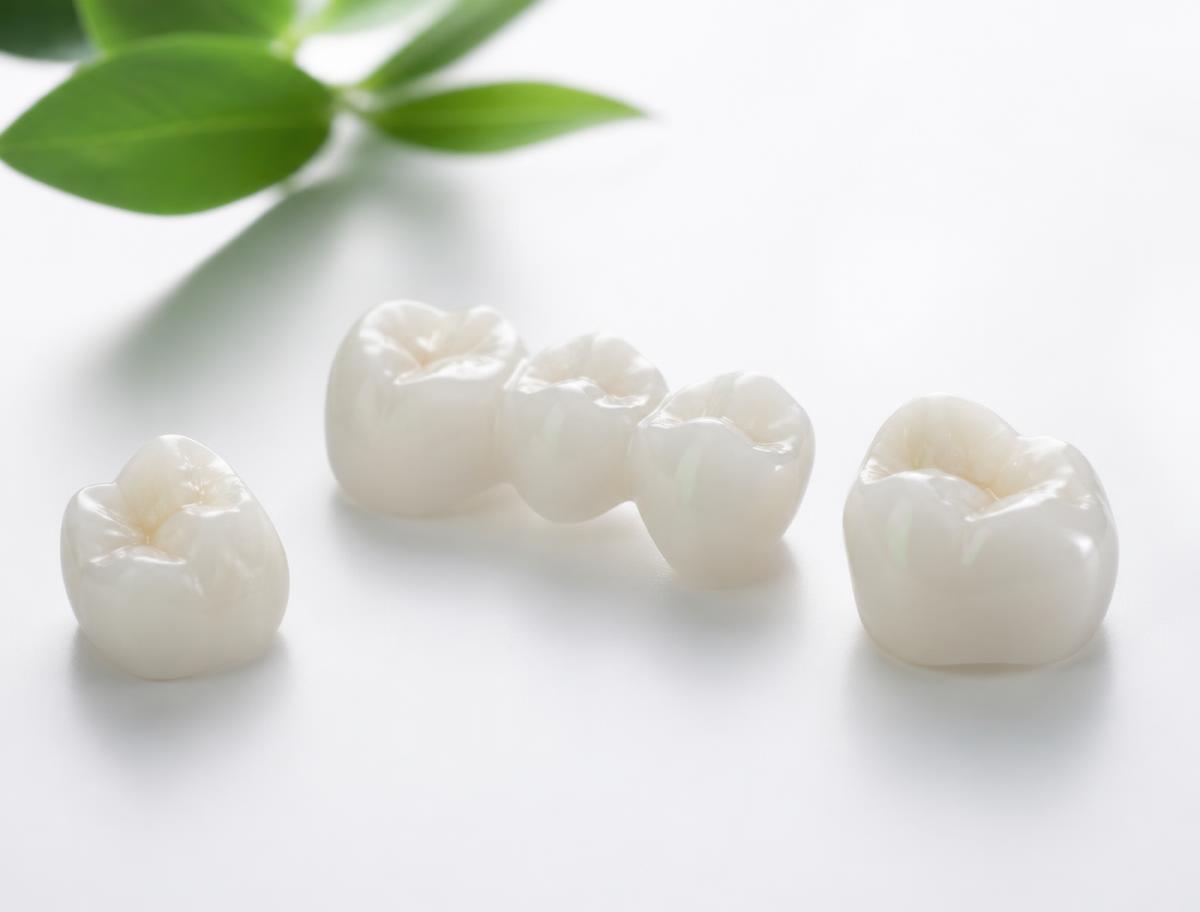
When a tooth is worn, cracked or missing altogether, a dental crown or bridge is how we quietly put things right, here in Auckland at the airport. A crown caps and protects a single tooth that's seen better days; a bridge spans the gap where one has gone, anchoring a natural-looking replacement to its neighbours. Both are made to measure and matched to the colour of your own teeth, so what comes back isn't just the strength and shape you'd lost. It's the confidence to eat, talk and smile without thinking twice.
Dental crowns
Most people who need a crown have a tooth that's cracked, heavily worn, broken down beyond what a filling will hold, or that's had a root canal and now needs full-coverage protection. A crown after a root canal is one of the most common reasons patients come to us, because a treated tooth becomes more brittle over time and a cap keeps it functional for the long haul. We also use crowns to reshape a badly worn or misshapen tooth, and to finish a dental implant with a natural-looking cap. If you're not sure a crown is the right call, come in and we'll take a proper look before recommending anything. Our aim is always the most sensible option for your tooth, not the most involved.
A well-placed crown restores a damaged tooth to full function while protecting what's left of the natural tooth underneath. Once it's on, you brush, floss and eat normally, with nothing that draws the eye to the treated tooth. There are a few materials, and we choose based on where the tooth sits and how much it shows: porcelain and ceramic crowns are the go-to for front teeth because they mimic the colour and translucency of natural enamel beautifully, while tougher zirconia or porcelain-bonded crowns are often chosen for back teeth where the bite forces are higher. With good care and regular check-ups, a well-made crown can last many years, often well over a decade.
A standard crown usually spans two appointments over about two to three weeks: the first to prepare the tooth and take a scan or impression, the second to fit the finished crown, with a temporary protecting the tooth in between. If the tooth needs a root canal or a build-up first, that adds to the timeline. We'll map the full sequence at your consultation so there are no surprises.
Dental bridges
A bridge suits someone missing one tooth (or a few in a row) who'd prefer a fixed solution rather than a removable plate, provided the teeth either side are healthy enough to support it. It works by anchoring a natural-looking replacement tooth to those neighbours, so it stays put. You don't take it out. The main alternative is an implant, which stands on its own without involving the neighbouring teeth; a bridge is often quicker and doesn't need surgery, while an implant preserves the teeth either side. We'll talk you through both honestly so you can pick what suits your mouth and budget.
Tooth that needs protecting, or a gap to fill? and we'll map out the simplest fix for you.
Afterwards
A little sensitivity for a few days is normal and settles. A crown then looks after itself: brush and floss as usual. With a bridge, the one habit that matters is cleaning underneath the replacement tooth; we'll show you how with a floss threader or small brush, and it quickly becomes second nature.
Your visit
What to expect
- 01
Plan & prepare
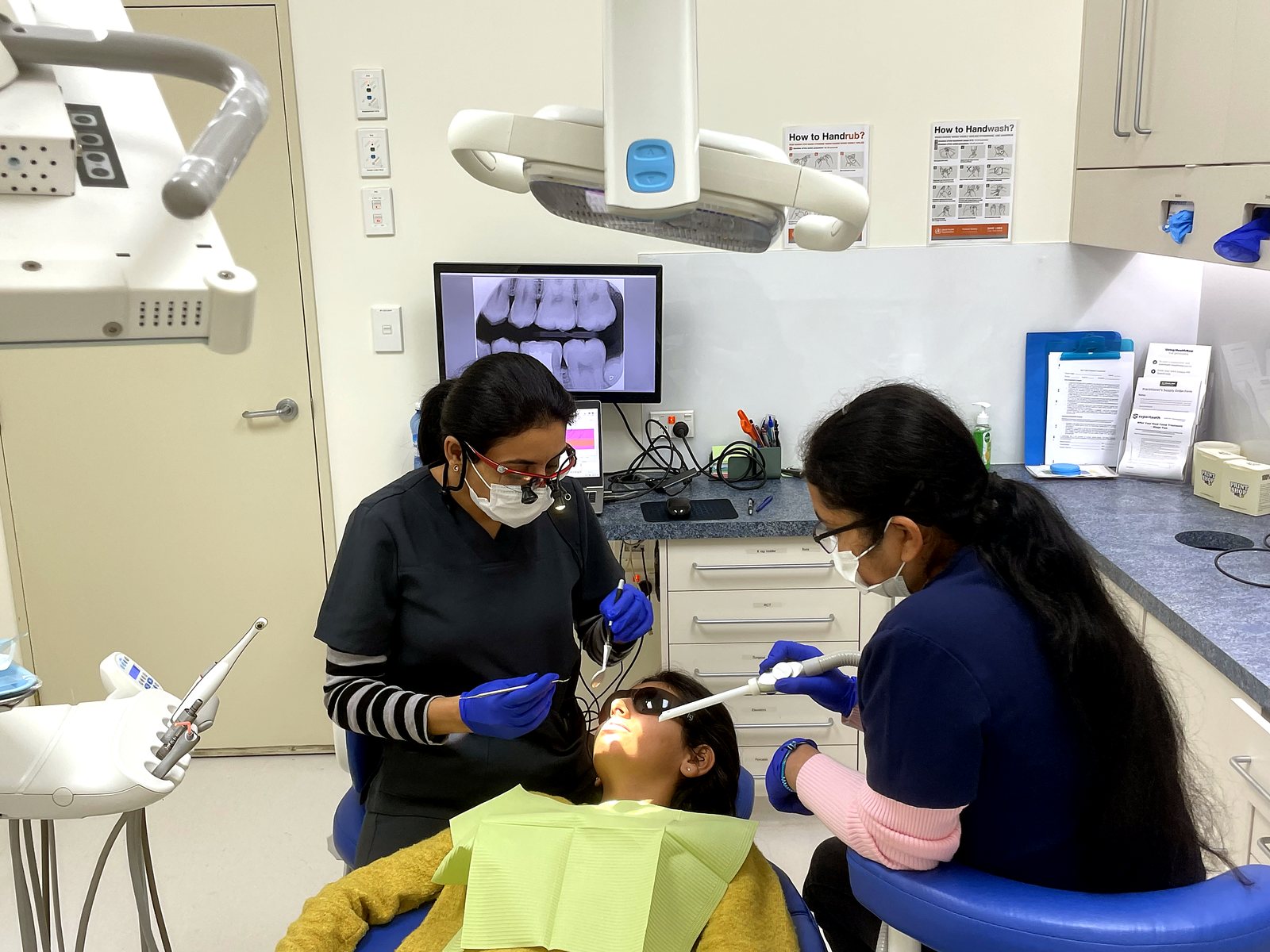
We assess the tooth (or gap), shape the teeth involved, and take a scan or impression.
- 02
Fit
Your crown or bridge is custom-made and bonded securely into place; a temporary protects things in between where needed.
- 03
Check
We check the fit and bite so it feels like your own teeth.
Common questions
Questions, answered
Many years, often well over a decade, with good care and regular check-ups.
Usually porcelain, porcelain-bonded or zirconia, chosen for strength and a natural look.
Both replace a missing tooth. A bridge uses the neighbouring teeth for support; an implant stands alone. We'll help you choose.
Usually two, a couple of weeks apart; we'll confirm at your plan.

Ready for a super smile?
Whether it's been six months or six years, you're welcome here. New patients, whānau and emergencies, always.