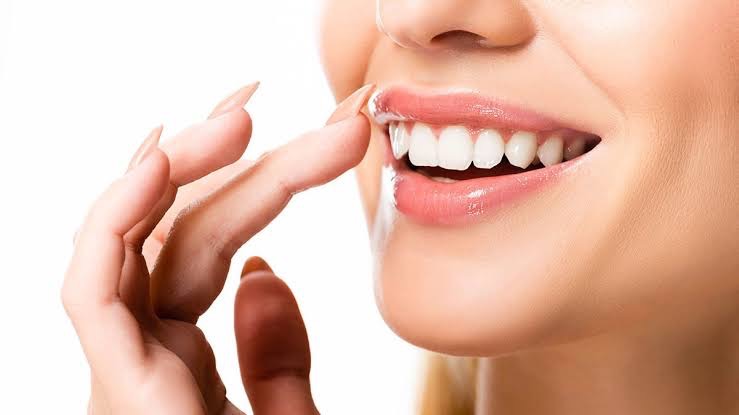
A brighter smile is one of the most common things people ask us about. Here's a straight look at how professional teeth whitening works, the options, what it costs, and how to keep the result, without the hype.
Why teeth go yellow or dull
Teeth change colour for all sorts of everyday reasons. Coffee, tea, red wine and smoking stain the surface over time, and the enamel naturally thins with age, letting the darker layer underneath show through. Some staining sits on the surface and lifts easily, and some is deeper in the tooth, which is worth knowing before you choose a whitening option.
A quick check first also matters for safety. Whitening works best on healthy teeth and gums, so if there's decay, a cracked filling or gum trouble, that's better sorted first. It's also why a look in the chair beats guessing from a shelf product.
Professional whitening vs shop-bought kits
Over the counter strips and toothpastes can lift light surface stains, but the gels are weaker and the trays are one size, so results are usually modest and uneven. Professional whitening uses a stronger gel with proper protection for your gums, and trays made to fit your teeth, which is safer and more even.
There are two main professional routes. In-chair whitening is done at the practice in a single visit. Take-home whitening uses custom trays and gel you use at home over a week or two. Many people combine the two, and we'll talk through which suits your teeth, your timeframe and your budget.
- 1/Shop kits: cheap, mild, uneven, one-size trays
- 2/In-chair: done in one visit at the practice
- 3/Take-home: custom trays used over a week or two
What it costs, and how to make it manageable
Whitening is a cosmetic treatment, so it isn't funded by WINZ or ACC, and the cost depends on which option you choose and how many teeth are involved. We give you a written quote first, so you know the price before anything starts.
To spread the cost we accept Afterpay and Southern Cross. If you're also thinking about veneers or clear aligners, it's worth planning the order of treatment, since whitening is usually done before other cosmetic work so everything matches.
Is whitening safe, and does it hurt
Used properly, whitening is well established and considered safe for most people. Some people notice short-lived tooth sensitivity or a little gum tingle during or after treatment, which usually settles within a day or two. Starting with healthy teeth and following the instructions keeps this to a minimum, and we'll tell you honestly what to expect for your teeth.
Whitening lifts natural teeth only. It doesn't change the colour of fillings, crowns or veneers, so if you have those at the front, we'll factor that into the plan.
Keeping your results
Whitening isn't permanent, and how long it lasts depends on your habits. Cutting back on staining drinks, not smoking, good brushing and the odd top-up tray all help. A regular clean keeps surface stain from building back up.
Come and see us at the Auckland Airport Shopping Centre, with free parking at the door and open on Sundays, and we'll check your teeth are ready and talk through the options. Book at supertooth.co.nz/contact or text 022 852 4000.
Quick questions
- How long does teeth whitening last?
- It varies. Depending on your diet, smoking and care, results can last several months to a couple of years, and top-up trays help keep them going.
- Does whitening damage your teeth?
- Used properly on healthy teeth, professional whitening is considered safe. Some people get short-lived sensitivity that usually settles within a day or two.
- Will whitening work on my fillings or crowns?
- No. Whitening only lifts the colour of natural teeth, so any fillings, crowns or veneers stay the same shade and may need matching later.
- Is teeth whitening covered by WINZ or ACC?
- No, whitening is cosmetic, so it isn't funded. We give a written quote first, and accept Afterpay and Southern Cross to help with the cost.
Sources: New Zealand Dental Association · Dental Council of New Zealand · Ministry of Health New Zealand, oral health information. This article is general information, not a substitute for an examination and personal advice from a dentist. If you're in pain or unsure, book a visit or call 022 852 4000.