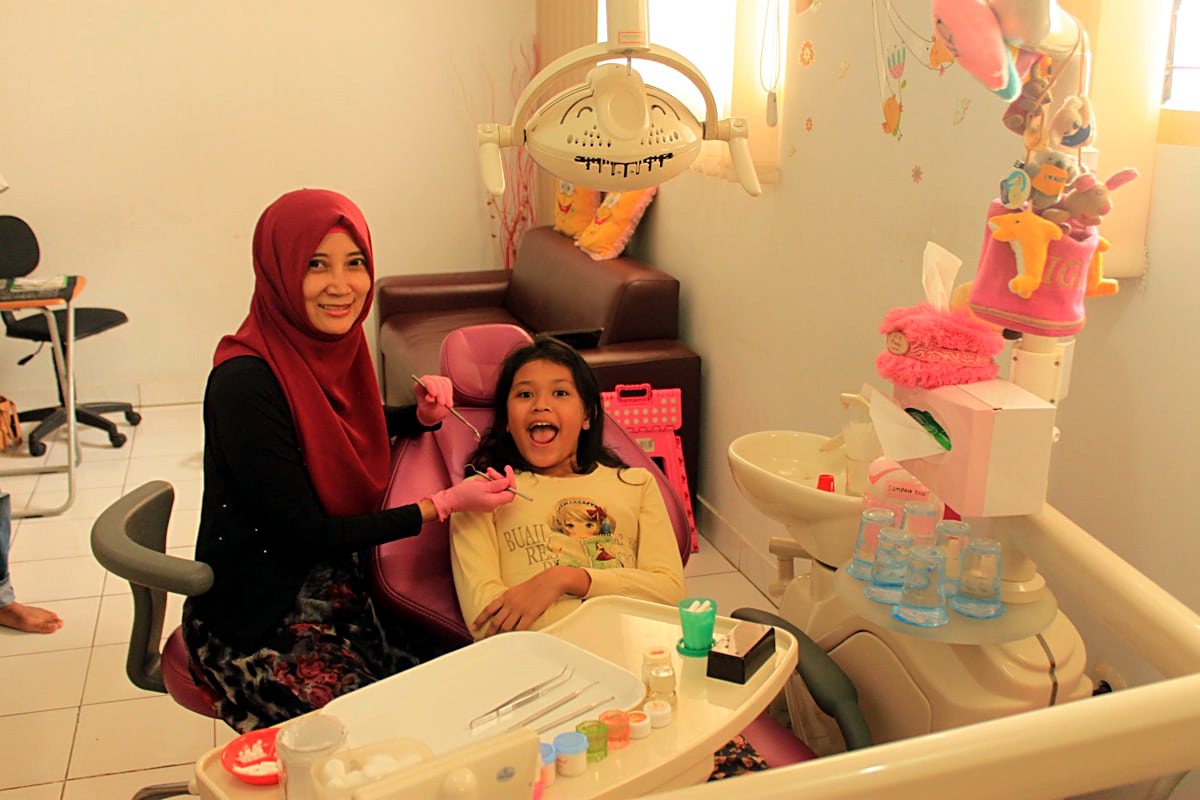
Looking after a child's teeth is mostly a handful of small habits and knowing what to expect at each age. This is a plain guide from the first tooth to the teenage years, including the funded care that many families in New Zealand do not realise they are entitled to.
The first tooth and the first visit
Most babies get their first tooth somewhere between six and ten months, though a bit earlier or later is perfectly normal. The general guidance in New Zealand is that a child should see a dentist by the time their first tooth appears, or by their first birthday, whichever comes first. That often feels early to parents, and that is rather the point.
An early first visit is not really about finding problems. It is about getting your child used to the chair, the lights and the friendly faces before anything ever needs doing, and giving you a chance to ask the questions every new parent has about brushing, bottles and diet. A child who meets a dentist as a normal, unremarkable outing grows into a teenager who does not dread it.
For that reason we keep first visits short, gentle and low-key. There is no rush, and there is no lecture. Sometimes the whole appointment is a ride in the chair and a count of the teeth, and that is exactly as it should be.
Teething, and what actually helps
Teething can make babies grizzly, dribbly and keen to chew on everything. Sore, slightly swollen gums are normal as teeth push through. What teething does not cause is a high fever or diarrhoea, so if your baby is genuinely unwell, it is worth having that checked rather than putting it down to teeth.
The things that help are pleasingly simple. A clean, chilled teething ring to gnaw on, a gentle rub of the gum with a clean finger, and plenty of cuddles usually take the edge off. Avoid teething gels and necklaces marketed as remedies, as some carry real risks and little benefit.
Once that first tooth is through, start brushing it. A smear of fluoride toothpaste on a soft baby brush, twice a day, is enough. Starting brushing early makes it an ordinary part of the day rather than a battle you introduce later.
Why baby teeth matter
It is tempting to think baby teeth do not count because they fall out anyway. They do count. They hold the space for the adult teeth coming behind them, they guide those adult teeth into the right position, and they are what your child chews and speaks with for years. Losing them too early to decay can lead to crowding and problems later on.
Decay in baby teeth is also not harmless. Because the teeth are smaller and softer, decay can move quickly, and a neglected baby tooth can become painful or infected just like an adult one. That is unpleasant for a child and entirely preventable with good habits and regular check-ups.
The good news is that baby teeth respond very well to the basics. Brushing twice a day with fluoride toothpaste, going easy on sugary drinks and snacks, and keeping up regular visits keeps most children's teeth in good shape through those early years.
Sealants and fluoride
The back teeth have deep grooves that food and bacteria love to hide in, and those grooves are hard for a small person to clean properly. A fissure sealant is a thin protective coating painted into those grooves to smooth them over and keep decay out. It is quick, it does not involve drilling, and it is one of the more effective things we can do for a child prone to decay.
Fluoride is the other quiet workhorse. It strengthens enamel and helps it resist decay, which is why fluoride toothpaste is recommended from that very first tooth. In some children we also apply a fluoride varnish at check-ups for extra protection. The amount of toothpaste matters at different ages, so we are happy to show you exactly how much to use.
Neither sealants nor fluoride is a substitute for brushing and sensible snacking, but together with those habits they tilt the odds strongly in your child's favour. For a child who has already had a filling or two, they are especially worth discussing.
Sport, mouthguards and the teenage years
As children get into contact sports, a mouthguard becomes one of the soundest investments you can make in their teeth. Rugby, hockey, netball, football, basketball and skateboarding all send teeth to the dentist. A knocked-out or broken front tooth in a teenager can mean a lifetime of dental work, and a great deal of it is preventable with a guard.
A custom-fitted mouthguard made from an impression of your child's teeth fits far better than the boil-and-bite kind, stays put, and lets them breathe and talk, which means it actually gets worn. Because kids' mouths are still changing, growing teenagers may need a new one every so often as their teeth come through and their jaw develops.
The teenage years are also when whitening questions, alignment worries and the occasional sports injury turn up. We would rather families feel able to ask about any of it. And if an accident does knock a tooth out, act fast, keep it moist in milk, and ring us straight away, because the first hour genuinely matters.
Funded care in New Zealand
Here is the part many families miss. Basic dental care is funded for children in New Zealand from birth until they turn eighteen. Younger children are usually seen through the Community Oral Health Service, often at school or a community clinic, and enrolling is free. Adolescents from year nine or age thirteen up to their eighteenth birthday are generally covered for basic care through approved providers.
This funded care covers examinations and the routine treatment most children need, which takes a lot of the cost worry out of those early years. It does not always stretch to everything, such as orthodontics or purely cosmetic work, but the core care that keeps teeth healthy is looked after.
If you are unsure whether your child is enrolled or what is covered, ask us and we will point you in the right direction. Getting children into good dental habits early, while the care is funded, sets up the whole whānau for fewer problems down the line.
Quick questions
- When should my child first see a dentist?
- By the time their first tooth appears, or by their first birthday, whichever comes first. The early visit is mostly about making the chair feel normal and answering your questions, not finding problems.
- Do baby teeth really matter if they fall out anyway?
- Yes. They hold the space and guide the adult teeth into position, and your child chews and speaks with them for years. Decay can move quickly in baby teeth and cause real pain, so they are worth looking after.
- Is children's dental care free in New Zealand?
- Basic dental care is funded from birth to the eighteenth birthday. Younger children are usually seen through the Community Oral Health Service, and adolescents are generally covered for basic care through approved providers. Ask us if you are unsure how your child is enrolled.
- Does my child need a mouthguard for sport?
- For contact sports, yes, it is one of the most effective ways to prevent broken or knocked-out teeth. A custom-fitted guard fits better and gets worn more than a boil-and-bite one, and growing teenagers may need a new one now and then.
Sources: Te Whatu Ora | Health New Zealand, Community Oral Health Service and child dental funding · Ministry of Health New Zealand, guidance on children's oral health and fluoride · New Zealand Dental Association, patient guidance on children's teeth. This article is general information, not a substitute for an examination and personal advice from a dentist. If you're in pain or unsure, book a visit or call 022 852 4000.