Wisdom teeth have a talent for arriving crooked, half-out, or somewhere they're not wanted. If yours has been playing up and it's coming out, here's honestly what the appointment is like.
Before anything happens
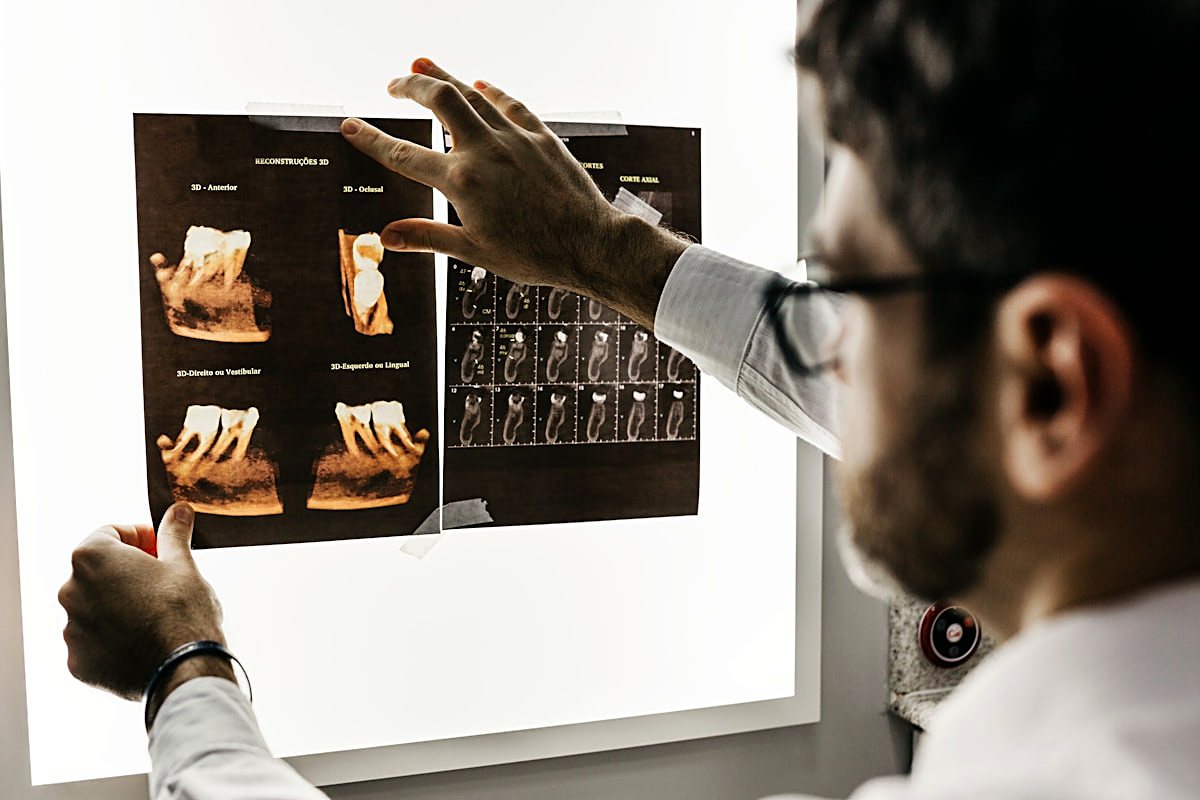
Every extraction starts with an X-ray and a proper look. We check the shape of the roots and where they sit, and we tell you honestly whether it's a straightforward removal we do in the chair, or one of the rare complex cases that's better with a specialist referral. You'll have a written quote before anything is booked, and accident-related damage is often ACC-covered.
The removal, step by step
For a straightforward wisdom tooth:
- 1/The area is numbed thoroughly. We don't start until you're completely numb, and we test first.
- 2/The strange part: you'll feel firm pushing and rocking pressure. That's normal and expected. Pressure signals get through the anaesthetic; pain signals don't. If anything actually hurts, raise your hand and we stop straight away.
- 3/Some teeth are divided into sections and removed piece by piece. It sounds dramatic and is actually gentler on the surrounding bone.
- 4/Most in-chair removals are done within 20 to 40 minutes, and many are far quicker than people braced themselves for.
- 5/You bite gently on gauze while a healthy blood clot forms in the socket. That clot is the start of healing, and protecting it is the whole game from here.
Aftercare that actually matters
The first 24 to 48 hours are about protecting that clot:
- 1/No smoking or vaping, no drinking through straws, and no vigorous rinsing for the first day. All three can dislodge the clot and cause a genuinely miserable thing called dry socket.
- 2/From day two, rinse gently with warm salt water after meals.
- 3/Soft food on the other side for a couple of days. Cold things are soothing; hot and spicy can wait.
- 4/Some swelling and jaw stiffness for a few days is normal. Simple pain relief and a cold compress handle most of it.
- 5/Worsening pain from day three onwards, a bad taste, or fever isn't normal. Ring us on 09 964 0508 and we'll see you.
Quick questions
- Will I be asleep for it?
- In-chair removals are done under local anaesthetic, so you're awake, numb and free to drive home afterwards. If your case needs sedation or a hospital setting, we'll say so honestly and refer you to the right place.
Sources: New Zealand Dental Association, patient guidance on extractions · ACC New Zealand, dental injury cover. This article is general information, not a substitute for an examination and personal advice from a dentist. If you're in pain or unsure, book a visit or call 022 852 4000.