Most of us grew up being told the answer is every six months. The truthful answer is a bit more interesting, and it depends on you more than you might think.
Why check-ups exist in the first place
Tooth decay and gum disease have an annoying thing in common. In their early stages, when they're cheap and simple to fix, they don't hurt. A small cavity is silent. So is early gum inflammation. By the time a tooth wakes you at 2am, what would have been a basic filling has often turned into root canal treatment, or a tooth that can't be saved at all.
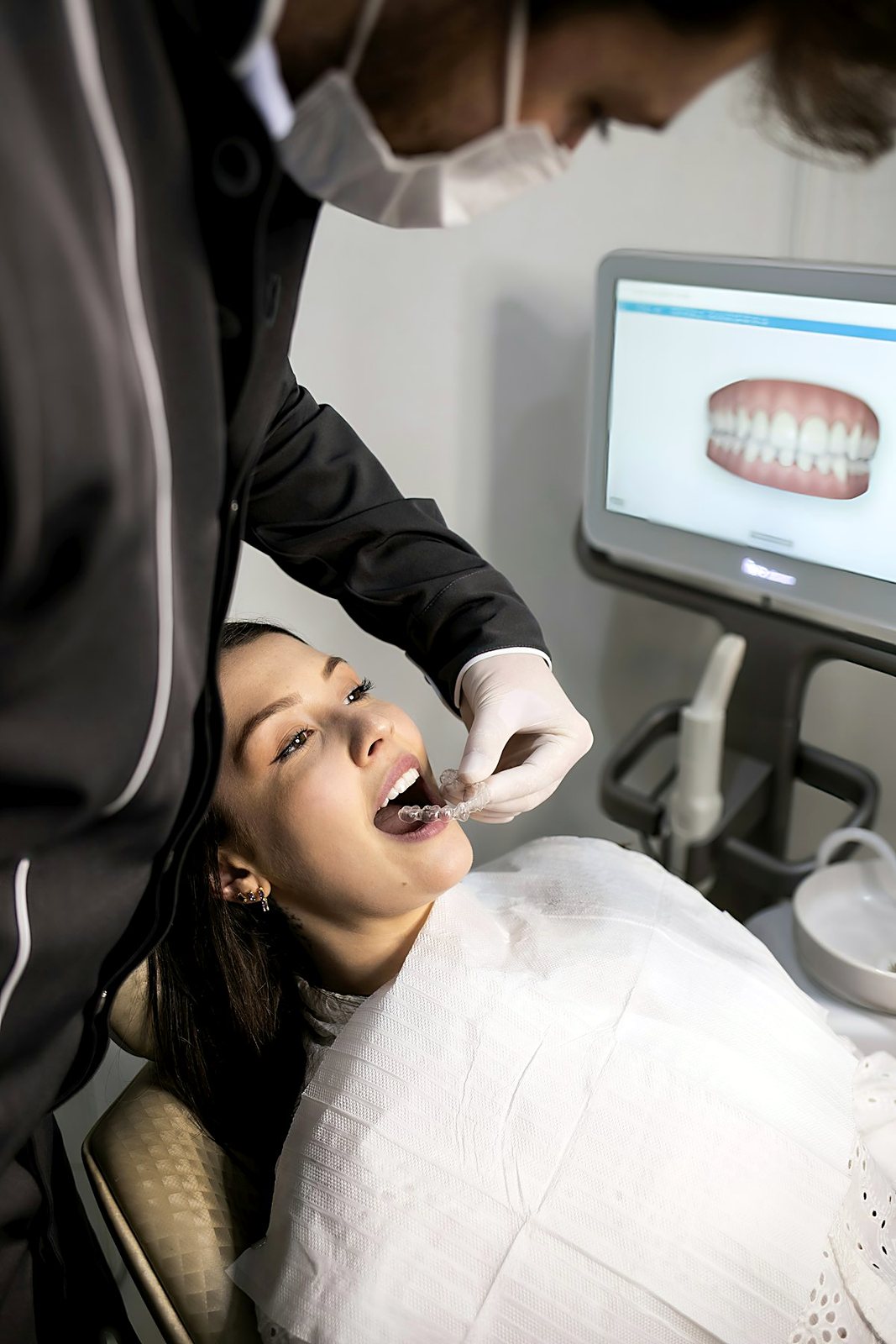
A check-up is how those problems get caught while they're still quiet. We look at your teeth, gums, bite and the soft tissues of your mouth, and X-rays show the places no one can see, like decay between teeth and changes in the bone underneath.
So is six months a rule?
No. It's a reasonable default, nothing more. The approach used across New Zealand practice is what's called risk-based recall. Your dentist looks at your history of decay and gum trouble, your diet, whether you smoke, conditions like diabetes, and what your mouth looked like last visit, then recommends an interval that fits.
Some people are fine coming in once a year. Plenty do best at six months. A few need more frequent hygiene support for a while, usually because of active gum disease or a run of decay. The point is that the interval should be decided with you, not copied from a poster.
What skipping visits tends to cost
New Zealand's oral health surveys keep finding the same pattern. Adults who only see a dentist when something hurts end up with more missing teeth, and spend more on treatment over their lifetime, than people who attend regularly. There's no trick to it. Problems found late simply cost more to fix.
It's also why our $79 new-patient exam includes X-rays. Without them, an exam can miss the decay that matters most.
If it's been years, start here
You won't get a lecture. A long gap is one of the most common things we see, and honestly, most mouths need far less work than their owners have spent years dreading. Book a check-up, get a clear picture of where things stand, and go from there with a written plan sorted by what actually matters.
Quick questions
- What happens at a Supertooth check-up?
- A full examination of teeth, gums and bite, digital X-rays where needed, and a clear written plan with a quote before any treatment. New patients pay $79 including X-rays.
- I'm embarrassed about my teeth. Will I get a lecture?
- No. The plan starts from where you are today, and nervous or long-gap patients get extra time and extra care here.
Sources: Manatū Hauora | NZ Ministry of Health, New Zealand Oral Health Survey findings · New Zealand Dental Association, patient guidance on examinations and recall. This article is general information, not a substitute for an examination and personal advice from a dentist. If you're in pain or unsure, book a visit or call 022 852 4000.