A great many adults put off dental visits because of nerves, and nearly all of them assume they are unusual for it. They are not. Dental anxiety is one of the most common reasons people go years between appointments, and almost everything that helps is practical rather than heroic.
Where it usually comes from
For a lot of people it traces back to one bad experience, and often that experience happened decades ago when dentistry was slower, blunter and less careful about pain control than it is now. The memory does not update itself just because the profession moved on. Somebody who had a rough time at eight years old is still carrying an eight-year-old's version of what a dentist is.
For others it was never a dental event at all. General anxiety, a strong gag reflex, sensitivity to the sound or the smell of a clinic, past medical trauma, or simply a lifetime of hearing other people's horror stories in the tearoom. Any of those is enough on its own.
And then there is the one that almost nobody says out loud: embarrassment. People who have been away a long time often fear being judged far more than they fear the drill. Worry about the cost sits in the same place, and it is one reason people would rather not know. None of that is unusual and none of it earns you a lecture here.
It is really a control problem
Look at what a dental appointment actually asks of you. Lie flat on your back. Open your mouth and keep it open. Do not speak, do not swallow when you want to, do not see what is happening. Let a person you may barely know work on your face with instruments you cannot identify, at a pace you have no say in.
Described that way, being uneasy is a fairly reasonable response rather than a personal failing. Most nervous patients are not afraid of teeth. They are reacting to having no control over what happens to them and no way to say stop.
That reframe matters because it points straight at the fix. Almost everything that reduces dental anxiety works by handing control back: knowing what comes next, being able to pause, being able to speak, setting the pace yourself. A good appointment for an anxious person is one where you keep the steering wheel throughout.
Information changes the experience
Uncertainty is an amplifier. An unexplained noise is far more alarming than the same noise when you have been told what it is and how long it will last. Knowing that a particular sensation is coming, and roughly how it will feel, turns something threatening into something merely unpleasant. That difference is enormous when you are lying in a chair.
The tell, show, do approach that gets used with children works just as well on adults who would like it. We can explain the plan before you sit down, show you the instrument before it goes anywhere near you, and narrate what is happening as we go. Ask for as much detail as you want, including the honest answer to how long is left.
The opposite preference is equally valid. Plenty of people cope far better by knowing nothing and thinking about something else entirely, and detailed narration makes it worse for them. Both are perfectly workable. What matters is telling us which one you are, because we cannot guess it from the outside.
Practical things that genuinely help
None of these are clever. They are just the things that reliably make a difference, and they work better when arranged beforehand than improvised on the day.
The two with the biggest effect are telling us when you book, and agreeing a stop signal. Saying it at booking means the appointment gets more time set aside and the whole visit starts from the right place, rather than us finding out when you are already tense in the chair. A stop signal, usually a raised hand, means everything pauses immediately, no questions and no negotiation. Knowing you can stop is often enough that you never need to.
- 1/Say you are nervous when you book. It changes how the appointment is planned, not how you are treated.
- 2/Agree a stop signal before anything starts. A raised hand means we stop straight away, every time.
- 3/Pick a time of day that suits you. Some people do better first thing rather than dreading it all day, others prefer the end of the day when work is finished.
- 4/Bring someone with you. A friend or a member of your whānau in the room is allowed and helps more than people expect.
- 5/Bring headphones and your own music or a podcast. It masks the sounds that bother people most.
- 6/Eat something beforehand and go easy on the coffee, since caffeine on an empty stomach makes the physical symptoms of anxiety worse.
- 7/Ask for the plan in writing, with the quote, so you can read it at home rather than making decisions in the chair.
- 8/Break the work into shorter appointments if long ones are the problem. There is no prize for doing it all at once.
A first visit can be just a conversation
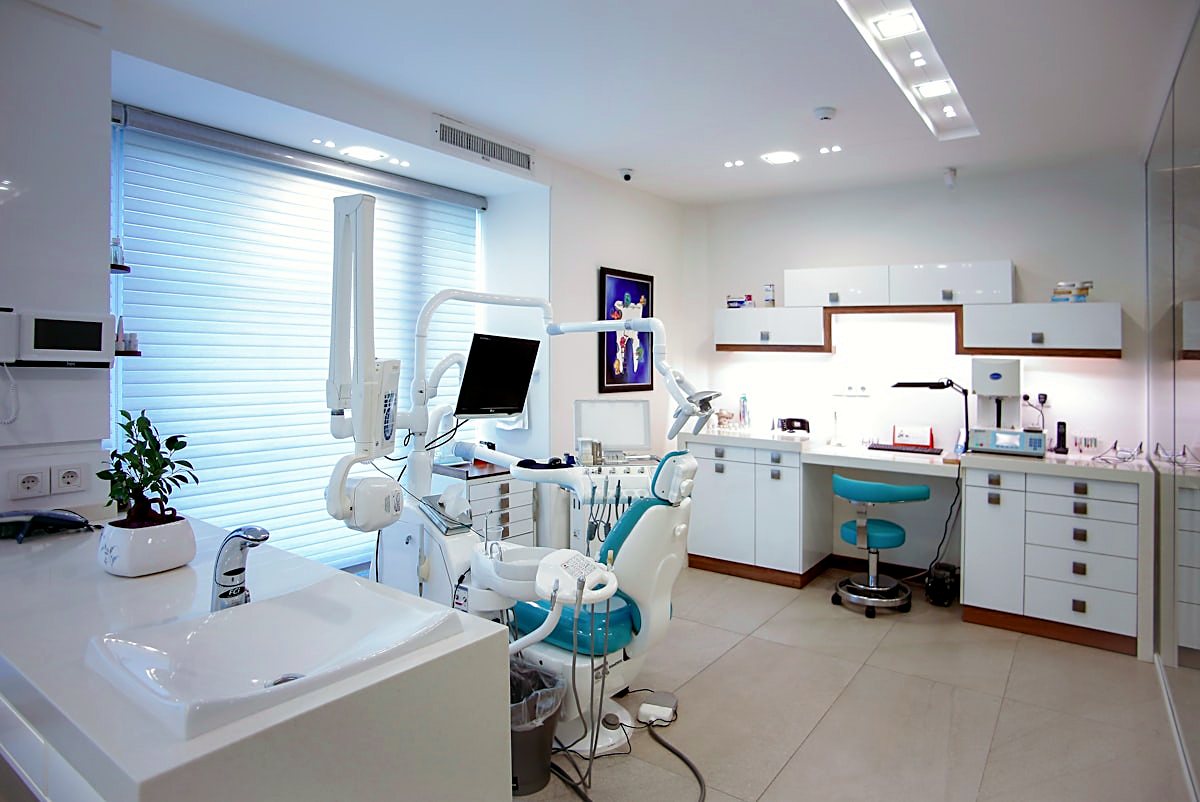
This is meant literally. You can book a visit where nothing goes in your mouth at all. Sit in the room, talk about what has worried you in the past, what you would like to be different, and what you would want to know before agreeing to anything. Have a look at the room while nothing is happening in it. A consult is $60.
If you would rather get a picture of where things stand, the next step up is an examination and X-rays, which is $79 for new patients. That gives us the information to write you a plan, sorted by what genuinely needs attention first and what can wait, without committing you to any of it on the day.
The rule either way is that nothing gets done that you have not agreed to. No treatment is sprung on anyone mid-appointment because it seemed sensible while we were in there. If something is found, you hear about it, you get the options and the cost, and you decide in your own time.
About numbing, and being straight with you
Modern local anaesthetic works very well, and the technique around it matters as much as the drug. A topical gel goes on first so the injection itself is dulled, the anaesthetic is delivered slowly rather than quickly, and we wait properly for it to take hold instead of testing the water early. Rushing that step is where most bad memories come from.
Some people need more than the standard amount, and some need a different technique because of how their nerves are arranged. That is normal anatomy, not you being difficult. If you are not fully numb, say so, and say so again if it wears off. Nobody here expects a patient to quietly endure something that hurts.
What we will not do is promise you will feel nothing at any moment. Pressure, vibration and the sound of things are all part of it, and the honest position is that we manage discomfort carefully rather than pretending it does not exist. For a small number of people whose anxiety is severe, sedation is worth discussing, and where that is the right path it may mean a referral to a specialist elsewhere. We will tell you if we think that is the sensible option for you.
Breaking the avoidance cycle
Dental anxiety has a cruel shape to it. Avoiding appointments lets small problems become larger ones. Larger problems need longer, more involved treatment. That treatment then confirms the fear, and the gap until the next visit gets longer still. Most people who have been away for years are further along that loop than they would like to admit.
The way out is usually smaller than the imagination suggests. Long-gap mouths very often need less work than their owners have spent years dreading, and even when there is a fair bit to do, it gets staged over months in an order that puts comfort and function first. Seeing the whole list written down, with prices next to it, tends to be a relief rather than the blow people brace for.
We are at the Airport Shopping Centre with parking at the door, and we keep same-day slots for people in pain, which is often how a nervous patient ends up back in a chair. If that is you, ring us on 09 964 0508 and say straight out that you are anxious. It is one of the most ordinary things we hear.
Quick questions
- Can I come in without having any treatment done?
- Yes, and it is a sensible way to start if the room itself is the hurdle. A $60 consult can be entirely conversation: what has gone badly before, what you want to change, and what any next step would involve. Nothing goes in your mouth unless you have agreed to it.
- Will I get told off for leaving it so long?
- No. Long gaps are one of the most common things we see, and the plan starts from where your mouth is today rather than where it should have been. Most people find there is less to do than they had feared, and the list gets ordered by what genuinely matters first.
- What if I panic partway through an appointment?
- We stop. That is what the stop signal is for, and it works at any point, including mid-procedure. You sit up, take your time, and we decide together whether to carry on, shorten the appointment or rebook the rest for another day.
- Do you offer sedation?
- Our usual approach is thorough local anaesthetic, slow pacing, plenty of explanation and shorter appointments where that helps, which is enough for the large majority of anxious patients. Where someone's anxiety is severe enough that sedation is worth considering, we will talk it through with you honestly, and that may mean a referral to a specialist elsewhere.
Sources: New Zealand Dental Association, patient guidance on dental anxiety and attendance · Dental Council of New Zealand, standards on informed consent and patient communication · Te Whatu Ora / Health New Zealand, oral health and access to dental care information. This article is general information, not a substitute for an examination and personal advice from a dentist. If you're in pain or unsure, book a visit or call 022 852 4000.